Minsk Travel Tips: First-Time Visitor Guide
Minsk, the capital of Belarus, is a European city with a starkly different character from other major capitals. With broad boulevards, monumental Soviet-era buildings, and leafy parks, it offers travelers a glimpse into a past that feels both familiar and foreign. While Belarus is not currently a mainstream European destination, Minsk rewards those who visit with unique architecture, exceptional cleanliness, and a palpable sense of history.
Why Visit Minsk? Understanding Its Unique Place in Europe
Minsk stands apart from Western and Central European cities. Having been almost completely rebuilt after World War II, its cityscape is dominated by Stalinist neoclassicism and utilitarian blocks. This means you won’t find medieval centers or Renaissance plazas. Instead, the city is famous for its spacious avenues (like Independence Avenue), vast public squares, and monumental buildings such as the “House of Government” and the National Library.
Travelers interested in 20th-century history, Soviet urban planning, and off-the-beaten-path destinations will find Minsk especially rewarding. The city is also exceptionally safe, green, and walkable – its parks, lakes, and neatly maintained streets are a highlight for both families and solo travelers.
Practical Entry Tips: Visas, Documentation, and Rules
Belarus is outside the European Union and Schengen Area, so traveling to Minsk requires different planning compared to other European capitals. Most travelers need a visa to enter Belarus, but there are intermittent visa-free programs for short stays for citizens of certain countries. Always check the latest rules on the SchengenVisaInfo Belarus Visa Guide before you book flights.
Your passport should be valid for at least six months beyond your intended departure. Upon arrival, you’ll need to register your stay with local authorities if staying longer than five nights—a process usually handled by hotels but a must to double-check for Airbnb or private rentals. Travel insurance (covering at least €10,000 in medical expenses) is required for all tourists.
| Entry Requirement | Details |
|---|---|
| Visa/Permission | Check current visa rules; most require a visa or use special visa-free program |
| Passport Validity | 6+ months beyond your departure |
| Travel Insurance | Mandatory, min. €10,000 medical cover |
| Registration | Required if staying more than 5 nights |
Arriving in Minsk: Transport Connections
Flying In
The main entry point, Minsk National Airport (MSQ), is about 40 km from the city center. Direct flights are limited mainly to post-Soviet countries, with some connections to Istanbul and Middle Eastern hubs. European low-cost carriers do not serve Minsk, so travelers often connect via Moscow, Vilnius, or Warsaw. Note that political situations can disrupt air routes into Belarus—check current flight options well in advance.
Overland from Europe
Minsk can be reached overland via train or bus from Vilnius (Lithuania), Warsaw (Poland), and Moscow (Russia). The journey from Vilnius by train is about 3–4 hours, plus possible delays at the border. Coaches and minibuses run from nearby European cities, but be prepared for lengthy and sometimes slow border checks.
The main railway station, Minsk Passazhirsky, is centrally located and connects to local metro and bus lines. Overland routes can be checked with up-to-date timetables on Rome2Rio.
Getting Around: Public Transport and Taxis
Minsk’s public transport is affordable, efficient, and easy to navigate, with an extensive metro, tram, trolleybus, and bus system. Tickets for any mode can be bought at kiosks, apps, or directly from drivers (cash in Belarusian rubles only). The metro is particularly useful for visitors, with stations signed in both Cyrillic and Latin alphabets.
- Metro: Two lines cross the city center with frequent, cheap, and punctual service.
- Buses/Trams: Reach far-flung areas and most sights; schedules displayed at stops.
- Taxis: Use Yandex Go app for safe, metered rides – hailing cabs on the street is less reliable.
Walking is entirely feasible and often pleasant, as sidewalks are in excellent condition and major sights are compactly clustered. Rental bikes and e-scooters are appearing, but remain far less common than in Western Europe.
Orientation: Neighborhoods and Accommodation
Where to Stay
The most convenient base is the city center, particularly near Independence Avenue (Praspiekt Niezaliežnasci). Here, you’re surrounded by Soviet architecture, excellent cafes, and walking distance to attractions. For a taste of Minsk’s more historic side, explore the “Upper Town” (Verkhni Gorod), home to Orthodox churches, charming streets, and open-air concerts in summer.
More modern hotels, apartments, and short-term rentals are readily available along Nemiga Street, Victory Square, and the riverside. While the city is generally safe everywhere, staying centrally saves time on transit and makes the most of your short trip.
Neighborhood Highlights Table
| Area | Best For |
|---|---|
| Independence Ave/Center | Iconic architecture, easy transport, nightlife |
| Upper Town | Historic churches, local bars, summer events |
| Nemiga | Cafés, riverside walks, local markets |
| Victory Square Area | Peace and WWII memorials, leafy roundabouts |
Classic Minsk Sights: What to See and Do
Minsk’s sights are a mix of impressive Soviet structures, memorials, and a handful of older churches and museums. Unlike Western European capitals, you’ll spend less time in narrow lanes and more exploring vast open squares and grand boulevards.
- Independence Square: Surrounded by monumental architecture, including the Government House and Belarusian State University.
- GUM and Central Department Store: For Soviet retail nostalgia and locally made wares.
- Victory Square and Eternal Flame: A powerful World War II memorial, moving in its scale and symbolism.
- National Library of Belarus: A futuristic gem on Minsk’s periphery, offering panoramic rooftop views.
- Island of Tears: A sobering, evocative memorial to soldiers lost in Afghanistan.
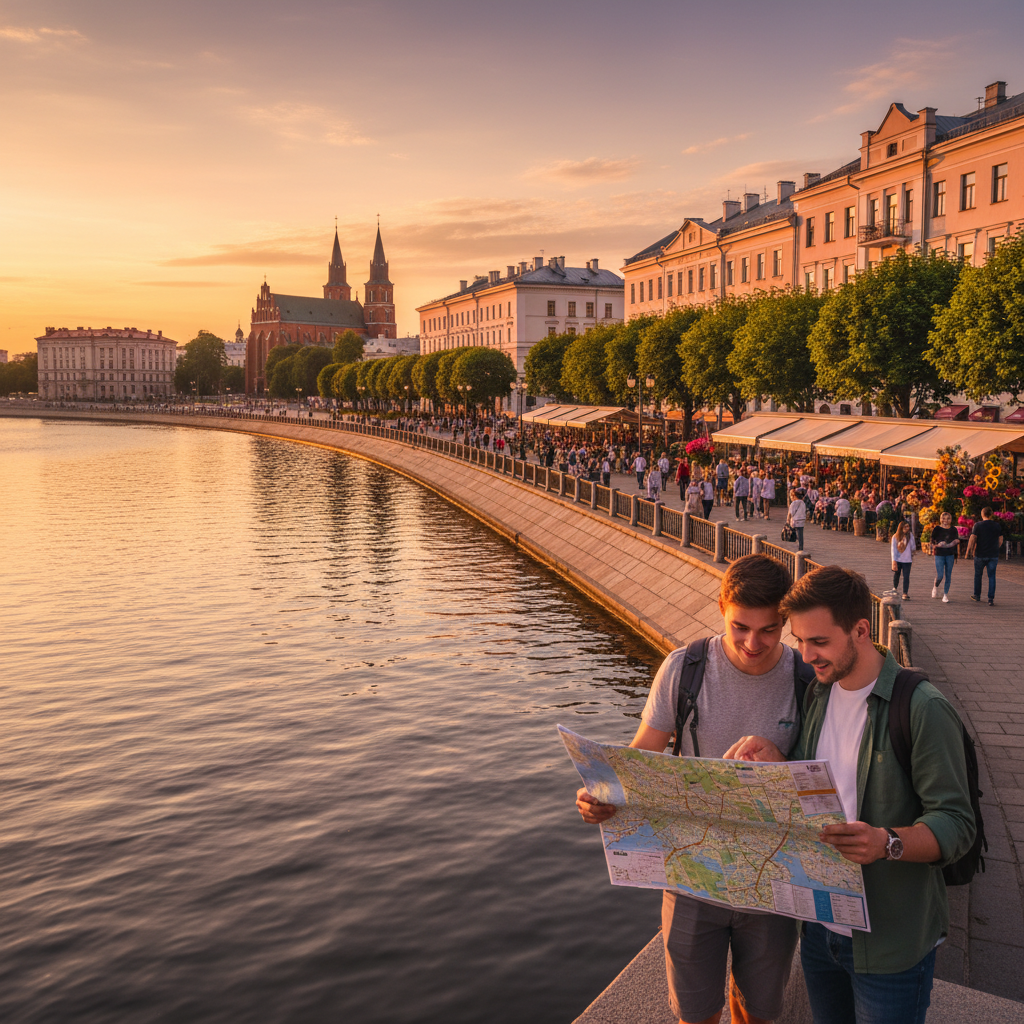
- Svislach River embankment: A pedestrian-friendly zone perfect for riverside strolling or a sunset picnic.
Allow plenty of time to explore parks and public spaces, as these are integral to local life and offer the best opportunities to observe daily routines.
Minsk on Foot: Best Walks and Self-Guided Routes
Minsk’s size and layout encourage walking. Start your stroll at Independence Square, wander up Independence Avenue to Victory Square, and detour west toward Nemiga and the Svislach river embankment. In summer, street musicians and open-air exhibitions liven up the Upper Town, while markets along Komarovka are full of local color.
Evenings are often lively along Nemiga, with a growing café and bar scene. For quieter green spaces, head toward Gorky Park or the Botanical Gardens—both beloved by locals for relaxing strolls and family time.
Architecture and Culture: Soviet Grandeur Meets Modern Revival
The overwhelming majority of Minsk’s center is post-1945 architecture, distinguished by monumentalism but softened by leafy boulevards and public art. Highlights include the House of Government, KGB headquarters, and classic Soviet apartment blocks. Experienced travelers will notice similarities with Moscow or Kyiv, but Minsk is typically cleaner and less commercialized.
Belarusian language and culture are visible in street art, new cafes, and independent theaters. Watch for small galleries and bookshops near the Upper Town and enjoy Belarusian folk music or plays if your schedule allows. Museums like the Great Patriotic War Museum provide vital historical context for understanding the country’s complex past.
Money and Costs: What to Expect
Minsk is much more affordable than Western and Central European capitals. Hotels, food, and transport are all budget-friendly, with coffee costing just a few euros and even good hotels rarely exceeding €70 per night. Cash is still widely used—even as contactless payment expands, always carry some Belarusian rubles for smaller shops and public transport.
ATMs are widespread and cards are accepted at most restaurants, shopping centers, and major attractions. Tipping is customary but not expected; rounding up bills or leaving 5–10% is appreciated in restaurants and cafes.
Local Customs, Language, and Safety
The official languages are Belarusian and Russian, but Russian is overwhelmingly dominant in daily life. Young locals may speak some English, but signage is not always in Latin alphabet. A translation app or basic phrasebook is invaluable for decoding menus, tickets, and street names.
Minsk is exceptionally safe, with very low crime rates and little tourist-targeted petty theft. However, local laws are strict – avoid public drunkenness, demonstrations, or political discussions in public. Always carry your identity documents, as police are authorized to check foreign guests and issue fines for noncompliance.
Eats and Drinks: What and Where to Try
Traditional Belarusian food is hearty and comforting. Don’t miss dishes like draniki (potato pancakes), machanka (pork stew), and a wide range of local breads and cheeses. The city has recently seen a boom in modern cafes and craft beer bars, especially around Nemiga and in the upper town.
Coffee culture is strong, with local chains, quirky indie shops, and even coffee carts in parks. The city is surprisingly vegan- and vegetarian-friendly, with international, Georgian, and Central Asian cuisine options widely available.
Shopping and Souvenirs: What’s Unique to Minsk
Markets such as Komarovka offer local food and crafts, while GUM and TSUM department stores are worth visiting for post-Soviet nostalgia. Great souvenirs include linen, amber jewelry, woven crafts, and Belarusian chocolates. Always check your receipts and be aware that many vendors speak little English—point, gesture, and keep things friendly.
Day Trips and Further Exploration
If you have extra time, several worthwhile half- or full-day excursions are available from Minsk:
- Mir Castle: A UNESCO-listed fortress about 90 km from Minsk, reachable by tour, rental car, or bus.
- Nesvizh Palace: Grand, beautifully restored, and steeped in Polish-Lithuanian Commonwealth history.
- Dudutki Ethnographic Museum: Recreates Belarusian village life through workshops and tastings.
- Brest: For those venturing further by train: WWII history and the legendary Brest Fortress await.
Seasonal Notes: When Is Best to Visit?
Minsk has a continental climate with hot summers (22–28°C) and cold winters (often below freezing). Spring (April–May) and autumn (September–October) offer the best mix of pleasant weather and lower prices. In summer, parks and terraces come alive—but it’s also the most crowded time for local events such as City Day and various festivals. Winters are charming if you’re prepared for snow and hearty local food, with Christmas markets adding warmth in December.
Planning Reminders and Essential Tips
- Always check visa policies and flight connections well in advance.
- Public transport is easy but less English-speaking than in Western Europe – download maps and use transliteration apps.
- Register your stay if necessary, and keep your migration card and passport handy.
- Opt for central neighborhoods for both convenience and security—especially as a solo or first-time guest.
- Take time for both urban walks and park breaks, as green spaces are integral to Minsk’s identity.
Frequently Asked Questions
- Is Minsk safe for tourists? Yes, it’s among the safest European capitals, but respect local laws and regulations at all times.
- How many days do you need in Minsk? Two to three days is ideal for sightseeing, with a day or two extra for nearby castles or nature trips.
- Can you visit Minsk as part of a wider European itinerary? Absolutely—combine it with Vilnius or Warsaw by rail for an especially interesting Baltic-to-Eastern Europe route.
Conclusion: Minsk Travel in a European Context
Minsk is not the classic European city break, but for travelers willing to engage with history, architecture, and a different pace of city life, it offers great rewards. With a well-organized transport network, affordable prices, and a unique cultural landscape, Minsk is a memorable stop for anyone seeking the undiscovered side of Europe.
Start planning your Minsk route today—compare options, sort out logistics, and get ready to see a capital unlike any other on the continent.
Plan Your Best Europe Trip
Want deeper guides, smarter routes, and practical travel tips?
Contact UsBrowse more Europe travel guides and itineraries:
Visit Our Blog